Portland's just made it official: pizza boxes are now recyclable, as of July 1, 2025. Metro, the regional government, says lightly-greased boxes, devoid of leftover crusts, are good to go into the blue bin. Heavier-greased ones? Compost or trash. This change, part of Oregon’s Recycling Modernization Act, aims to divert waste from landfills. Domino's, back in 2022, was already pushing the "Recycle This Pizza Box" message. But is this really a win for the environment, or just wishful thinking? Portlanders Are Finally Allowed to Put Pizza Boxes in Their Recycling - Willamette Week
The devil, as always, is in the details. Metro's guidelines hinge on the "lightly soiled" qualifier. Domino's claims the grease-phobia is an "urban legend," citing a study from their box supplier. Let's unpack that. A supplier-funded study isn't exactly an unbiased source (imagine a tobacco company funding research on smoking). What metrics did they use to determine "no big deal"? What level of grease contamination did they test? These are the questions that seem to be missing.
The core issue here isn't whether some pizza boxes are recyclable. It's about the rate at which they actually will be recycled, and the cost-benefit analysis of that rate. If a significant percentage of Portlanders toss heavily-greased boxes into recycling bins hoping for the best, that batch of recycling gets contaminated. Contamination leads to rejection at recycling facilities, meaning the whole lot goes to the landfill anyway. What's the contamination rate threshold before this whole initiative becomes counterproductive? I haven't seen that number publicly discussed.
Many other U.S. jurisdictions already accept lightly soiled pizza boxes. So, Portland's not exactly blazing a new trail here. But the nationwide adoption rate doesn't guarantee success. It just means others are also taking the same gamble. The gamble being that consumer behavior will align with best-case-scenario guidelines.
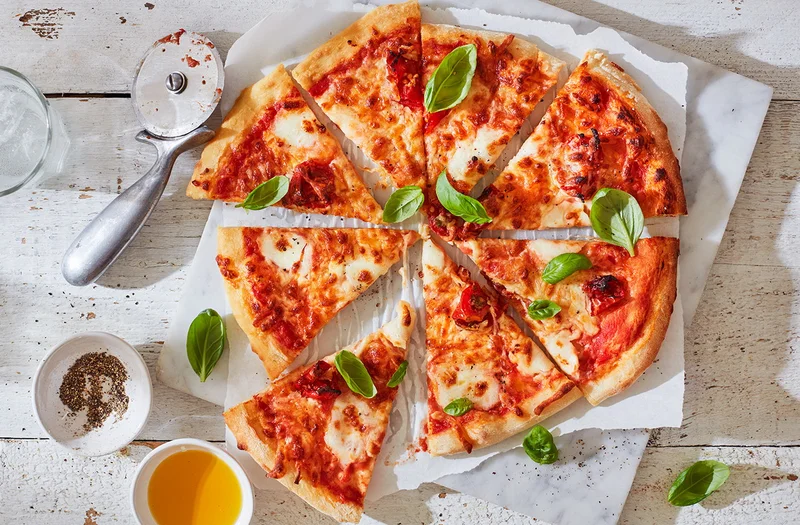
I wonder what the projections look like. What percentage of Portland households are realistically expected to diligently sort their pizza boxes, differentiating between "lightly soiled" and "too greasy"? Are we talking 50%? 75%? Anything less, and the contamination risk starts outweighing the potential benefits. And this is the part of the report that I find genuinely puzzling: If Domino's is so confident about the minimal impact of grease, why even bother with the "lightly soiled" caveat? Why not just push for universal acceptance of all pizza boxes, regardless of grease levels?
The answer, most likely, lies in the economics. Recycling facilities have standards. They have equipment that works optimally within certain parameters. If grease does in fact gum up the works, then the cost of upgrading those facilities to handle greasier cardboard might outweigh the perceived environmental benefit. The "lightly soiled" guideline, therefore, acts as a convenient buffer, shifting the burden of responsibility onto the consumer.
The change in Portland feels more like a PR win than a guaranteed environmental one. It allows politicians to tout their green credentials. It gives consumers a feel-good option. But without rigorous data on contamination rates and a transparent cost-benefit analysis, it's hard to see this as anything more than a symbolic gesture. Will this actually increase recycling rates in a meaningful way, or will it simply add another layer of complexity (and potential contamination) to the recycling process? Only time—and careful data collection—will tell.
Optimism bias, dressed up in cardboard.