
Doug McMillon's upcoming retirement from Walmart, slated for January 31, 2026, marks the end of a decade where the retail giant's stock price quadrupled. That’s a headline grabber, no doubt. But as any seasoned analyst knows, the devil's in the details. John Furner, currently heading U.S. operations, will take the reins. The question is whether Furner can maintain, or even improve upon, McMillon's financial performance while navigating the increasingly complex landscape of retail.
Let's break down McMillon's tenure. Yes, the stock price quadrupled. However, that's a fairly simplistic metric. Consider the broader economic context. The last decade has seen unprecedented monetary policy and a bull market run for much of that time. Did Walmart simply ride the wave, or did McMillon's strategies genuinely drive outperformance? It's difficult to isolate cause and effect here.
Walmart's U.S. revenue climbed 4.7% to $462.42 billion last year. (That's a hefty number – almost half a trillion.) They’ve also been aggressively snatching market share from competitors like Target and Kroger. That's undeniably positive. But what were the costs associated with that growth? Increased marketing spend? Reduced margins? These are the questions that need answering before we can truly assess McMillon's performance. And this is the part of the report that I find genuinely puzzling; the sources don't provide a breakdown of the expenses.
Then there's the sustainability angle. Walmart claims to have reached its goal of eliminating one gigaton of greenhouse gas emissions by 2023, six years ahead of schedule. This is a public relations win, certainly. But let's examine the numbers. How was that gigaton calculated? What methodologies were used? Were these verified by independent auditors, or is this an internally generated figure? The impact on their reputation is clear, but what about the impact on their bottom line? And at what cost? Did they offset emissions or reduce them? There's a difference.
Incoming CEO John Furner faces a different set of challenges. He's already talking about AI and the future of Walmart's workforce. He claims the company will employ roughly the same number of people in five years (around 1.6 million). The implication is that Walmart will become more productive on a per capita basis.
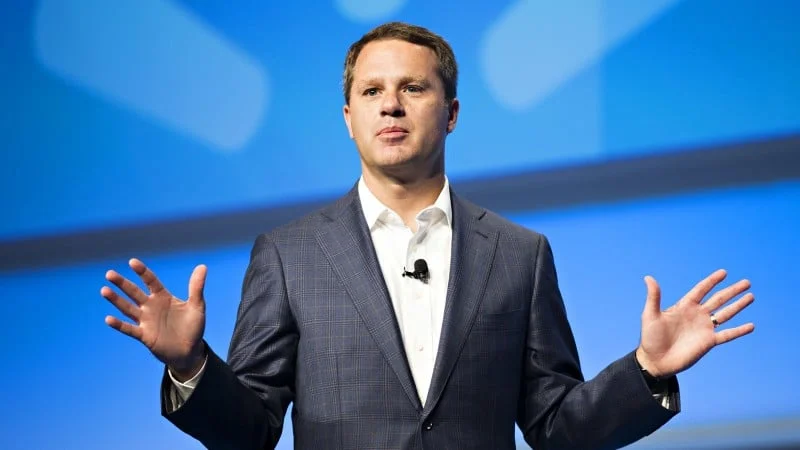
This is where things get interesting. Furner acknowledges that some jobs will disappear, with new roles emerging in their place. He cites the example of a general manager in Florida who went from leading trucks to leading a team of bot techs. "We’re extending people’s careers and those jobs pay better," he says. Attrition rates are supposedly low.
But let's think critically about this. How many truck drivers can realistically transition into bot techs? What percentage of the workforce is capable of acquiring those skills? And what happens to those who can't? Are they simply let go, or are they retrained for other roles? The data on this is conspicuously absent. Details on the training programs and their success rates would be invaluable here.
Furner’s example is anecdotal; a single data point doesn't make a trend. While it is possible that AI will create more jobs than it destroys, it is also possible that AI will lead to significant job displacement. If the latter occurs, Walmart will face increased scrutiny from unions and the public.
Walmart has raised its wages for entry-level workers from $9 in 2015 to $14 as of 2024. That's a 55% increase. But consider the inflation rate during that period. According to the US Inflation Calculator, $9 in 2015 has the same buying power as $11.60 in 2024. So, the real wage increase is closer to 20%, maybe 21%, which is less impressive.
McMillon's decade at Walmart was undeniably successful from a stock price perspective. But a closer look reveals a more nuanced picture. As Walmart CEO Doug McMillon to retire at 59 years old reports, John Furner inherits a company facing significant challenges, including navigating the rise of AI, managing labor costs, and demonstrating genuine progress on sustainability. The next decade will be a true test of Walmart's ability to adapt and thrive.