Kalshi: Is Prediction Market Gambling or the Future of Finance?
The rise of prediction markets like Kalshi is undeniable. Millions are now "investing" (let's be honest, betting) on everything from government shutdowns to Taylor Swift's bridal party. Joel Holsinger even quit his day job, pulling in around $3,000 a week trading on Kalshi. But is this the future of finance, or just a dressed-up casino? Let's dig into the data.
Kalshi offers over 3,500 markets, a dizzying array of possibilities. You can wager on whether Karoline Leavitt will mention "Thanksgiving" in relation to a government shutdown (Holsinger lost $700 on that one), or even the odds of Zohran Mamdani winning the NYC mayoral race (Kalshi had his chances in the 90s).
The platform's appeal lies in its accessibility and perceived edge. Unlike traditional financial markets, you don't need a brokerage account or specialized knowledge to participate. And the idea of "predicting" the future, rather than just reacting to it, is inherently appealing.
But here's where the numbers start to get interesting. Kalshi called the 2024 presidential election results before major TV networks. Impressive, right? But what does that actually mean? Did their predictions influence the outcome, or were they simply reflecting existing sentiment? Correlation isn't causation, and in this case, it's crucial to distinguish between the two.
Jonathan Cohen, author of "Losing Big," calls this the "gamblification" of American culture. Is he right? It's easy to dismiss his claim as moralizing, but let's look at the incentives. Kalshi makes money on transaction fees. The more people trade, the more they profit. This creates a clear incentive to promote activity, regardless of whether it's actually "investing" or just gambling.
Kalshi is a federally-regulated exchange, co-founded by former Wall Street traders Tarek Mansour and Luana Lopes Lara. They claim to have systems in place to monitor for suspicious activity. But is that enough? Wanna bet? Online prediction markets wager that you will - CBS News.
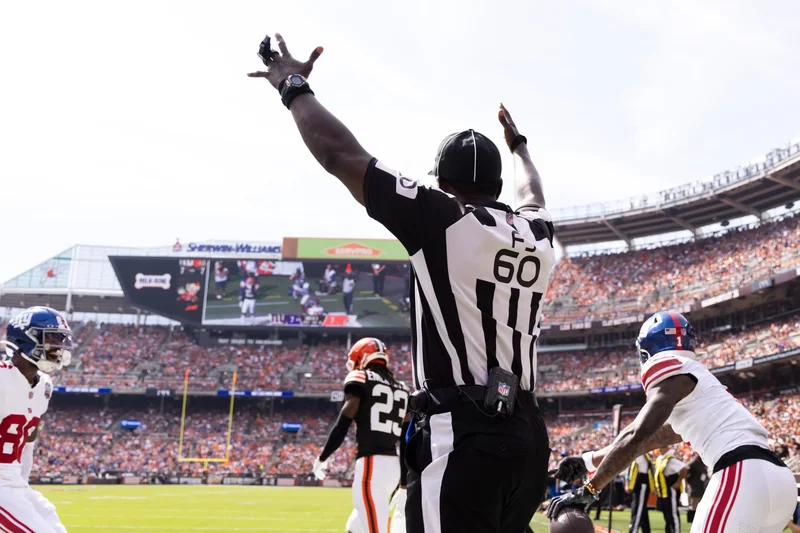
The Biden administration tried to block Kalshi from offering sports markets, while the Trump administration vowed to break with "past hostility." This political tug-of-war highlights the regulatory uncertainty surrounding prediction markets. Kalshi is currently battling legal challenges in states like Massachusetts, which view its sports markets as "unlawful sports wagering."
Online sports betting is legal in 31 states, but Kalshi operates in all 50. This discrepancy raises a key question: Is Kalshi exploiting a loophole in the law? (A question worth asking, given the company's rapid growth.)
The financial backing is also noteworthy. The owner of the New York Stock Exchange is investing $2 billion in Polymarket. And even FanDuel plans to launch its own prediction market next month. This suggests that major players in the financial world see potential in this space.
And this is the part of the report that I find genuinely puzzling. If Kalshi is primarily a sports betting platform, as they claim (most of the money traded is on sports, not politics or culture), why are financial giants like the NYSE so interested? Are they betting on a future where prediction markets become a mainstream investment tool, or are they simply looking to cash in on the gambling craze?
Donald Trump Jr.'s involvement as a strategic advisor to both Kalshi and Polymarket further muddies the waters. What strategic advice is he providing, exactly? (And how much is he getting paid for it?)
The rise of Kalshi and similar platforms is a symptom of a larger trend: the blurring of lines between investing, gambling, and entertainment. While the technology is innovative, the underlying principles are as old as time. People have always been willing to bet on the future, whether it's horse races or presidential elections.
The question isn't whether prediction markets are here to stay. They are. The question is whether they will evolve into a legitimate asset class or remain a niche form of entertainment. The answer, as always, will depend on the data. And right now, the data is inconclusive.
Kalshi is a novel platform, but its long-term viability as a financial tool is far from guaranteed. It's a high-stakes game, and like any casino, the house usually wins.